



High-Performance Computing. Training. High-Speed Networking.
What is SCINet?
The SCINet initiative is an effort by the USDA Agricultural Research Service (ARS) to grow USDA’s research capacity by providing scientists with access to high-performance computing clusters, high-speed networking for data transfer, and training in scientific computing.
Upcoming Trainings and Events
-
SCINet Corner · Introduction to SCINet
An overview of SCINet and the computing and training resources we offer.
-
Using Globus to share data with external collaborators
Do you have large files on SCINet systems that you would like to share with external collaborators who don’t have SCINet accounts? You will soon be able to do this by using Globus, the same web-based interface recommended for other data transfers to, from, and among SCINet systems!
We will be hosting a webinar Friday, January 23, 2026, 3-4 PM ET to give an overview of what kinds of sharing are supported and a demonstration of how to request and set up file sharing.
-
RNA-seq analysis with Galaxy
In this workshop, participants will work through a complete RNA-seq analysis using SCINet’s Galaxy interface.
Featured Stories
-
Humanely deterring birds around aquaculture and development of AI-driven, non-lethal deterrence tactics

Predatory birds such as Great Blue Herons, Canada Geese, and Egrets can cause significant losses at fish ponds. Traditional deterrents like netting and noise cannons are often intrusive or ineffective over time. The project leverages SCINet's high-performance computing resources to train and optimize YOLO-based deep-learning models using large datasets of bird images. These trained models make it possible to implement detection and identification of birds in real time at aquaculture ponds in the field.
-
Advancing Irrigation Mapping Through AI and Remote Sensing
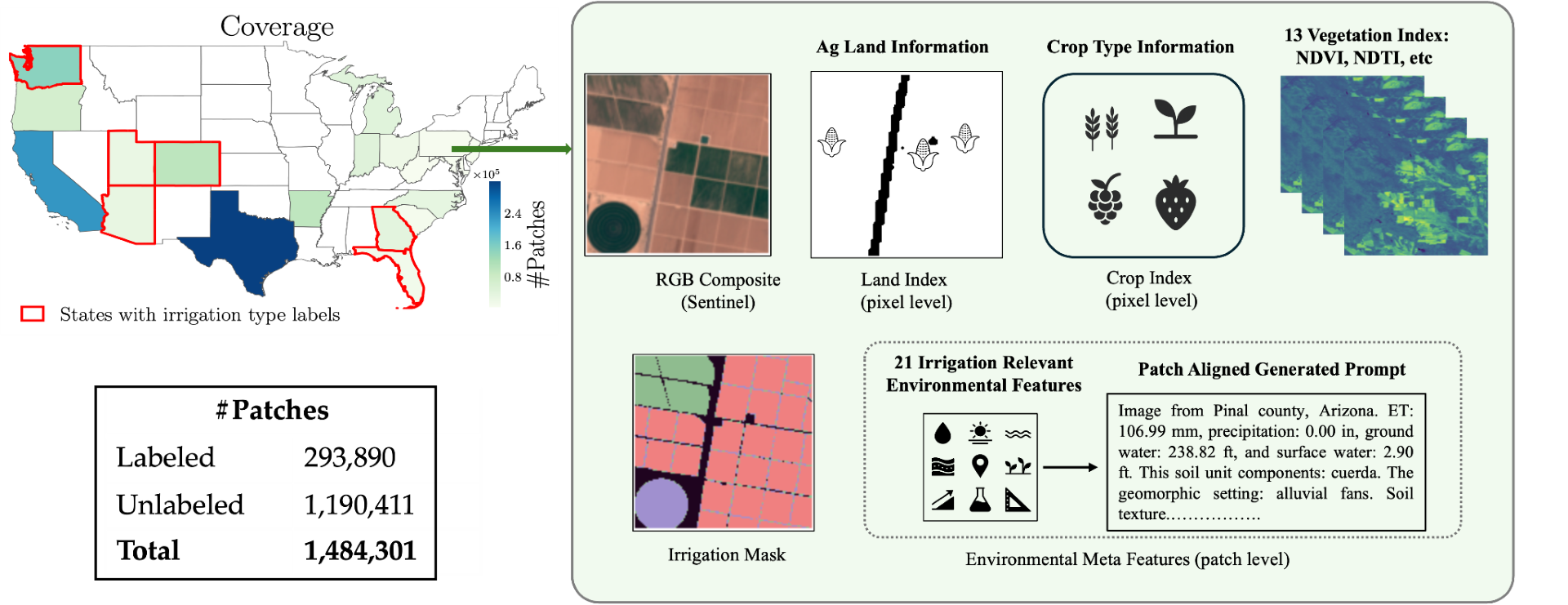
Accurate mapping of irrigation methods is essential for tackling water scarcity across large regions, boosting agricultural productivity, and informing conservation practices. Researchers at the USDA-ARS Northwest Irrigation and Soils Research Laboratory at Kimberly, Idaho are spearheading the development of an irrigation methods mapping tool by leveraging Artificial Intelligence (AI) and publicly available satellite imagery.
-
Comparative genomics reveals a light-activated phytotoxin that contributes to red leaf blotch disease of soybean
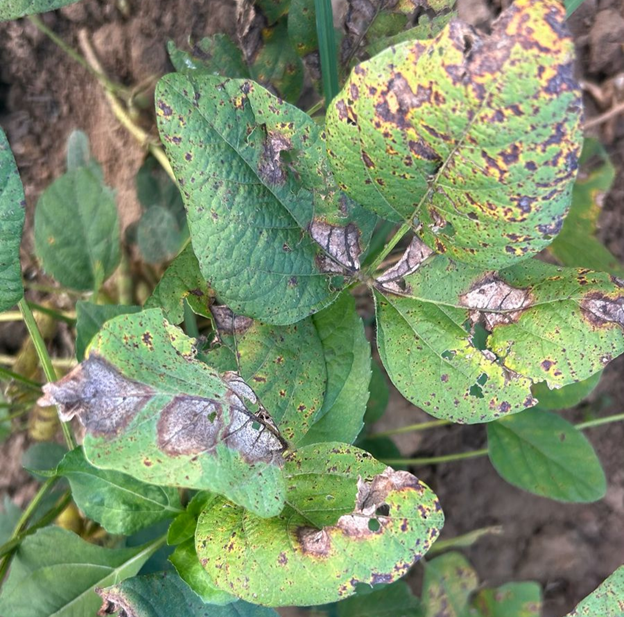
*Coniothyrium glycines* causes red leaf blotch, a major disease of soybean in Africa (Figure 1). It is one of two fungal pathogens listed on the USDA APHIS Plant Protection and Quarantine Select Agents and Toxins list owing to its likely destructive potential if it spreads to major soybean growing regions.
Find out how SCINet can enable your research
-
Working Groups
Information about how our collaborators currently use SCINet
-
Fellowship Opportunities
SCINet-funded research fellowship opportunities for PhD and MS level graduates
-
How to Use SCINet
Quick Start guide to getting up and running with SCINet
-
Running Analyses
Guides for running different analyses
-
Frequently Asked Questions
Answers to common questions asked about SCINet
-
Need Help?
Find who you need to contact for specific issues or requests